
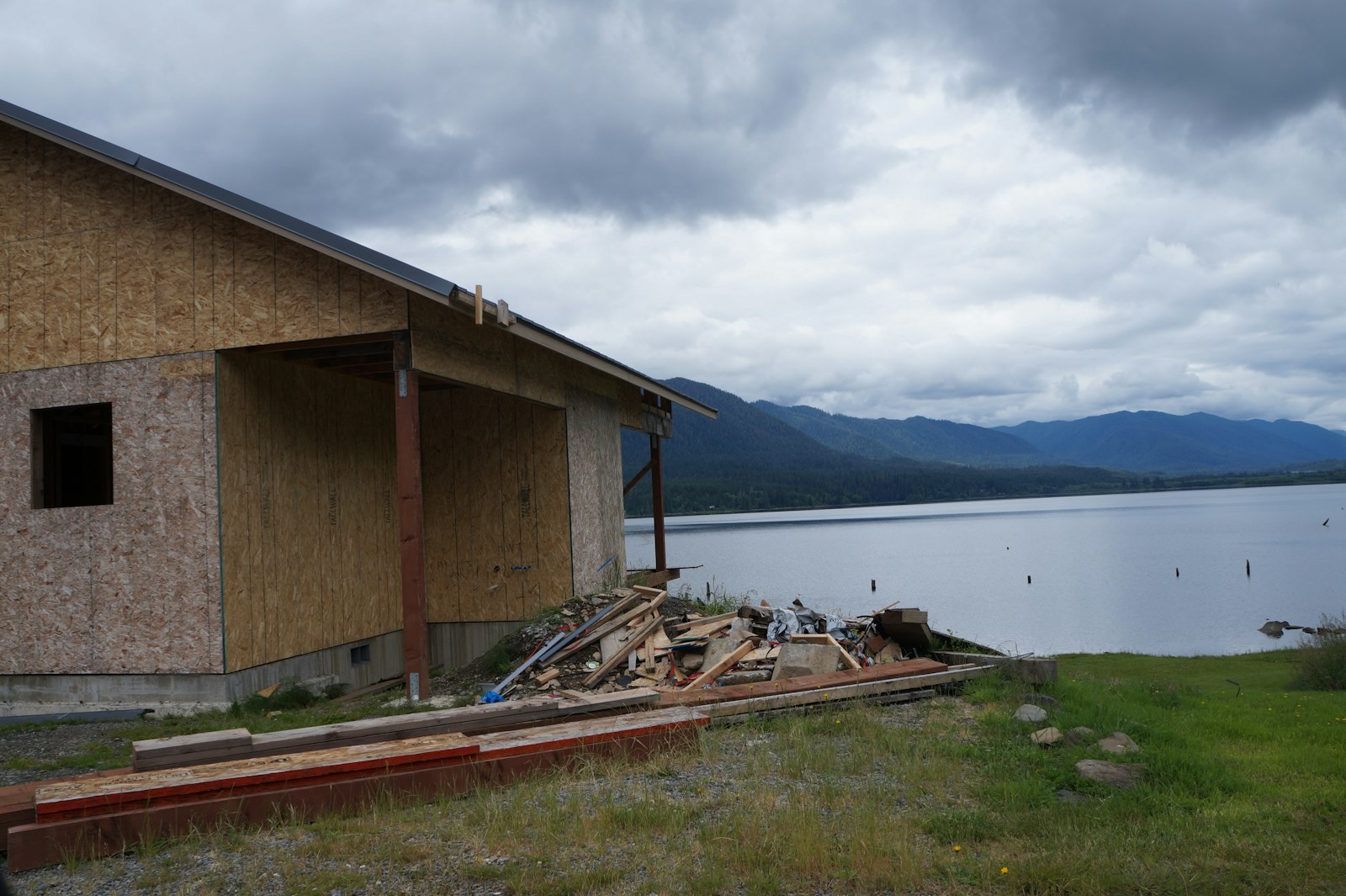
After the Cameras Leave: What Recovery Looks Like Six Months Past a Helene-Scale Flood
The news trucks are gone within two weeks. The volunteer surge that fills a church parking lot with bottled water and tarps thins out by week six. By month three, the flood that led every broadcast is a line in a grant report. And by month six, the real work — the work that actually determines whether a family gets back into their house — is still happening, quietly, with almost no one watching.
Beacon Rescue's teams are usually gone from a disaster zone within the first two to three weeks. That's by design: swift water rescue, medical triage, and emergency shelter support are short, intense missions, and a team that stays too long starts competing with local resources instead of freeing them up. But we stay connected to the departments and partner agencies we worked beside, and what they tell us about month six looks nothing like month one.
What recovery actually looks like, six months in
In a Helene-scale flood, the first six months break down roughly like this: weeks one and two are search, rescue, and life-safety. Weeks three through eight are debris removal, utility restoration, and emergency repairs — tarps on roofs, generators, mucking out basements. Months three through six are where most of the public attention has already moved on, and where the hardest decisions get made: whether a home is repairable or a teardown, whether a family can afford to rebuild in the same floodplain, whether a small business reopens in the same location or closes for good.
That third phase is slow by nature. Insurance adjusters have to inspect. FEMA individual assistance applications get reviewed, appealed, sometimes reviewed again. Contractors who do flood-damage repair are booked solid across an entire region, because every damaged structure within fifty miles is competing for the same limited pool of licensed crews. A family that lost a home in week one can easily spend four of the next six months waiting — on paperwork, on contractors, on a check that hasn't cleared — before a single wall goes back up.
This is the stretch where donor fatigue sets in hardest, and also where need hasn't gone down at all. A household living in a camper in their own driveway in month five needs the same things they needed in month one: a safe, dry place to sleep, a working kitchen, a plan. They just need it in a form that doesn't make the news.
Who stays in the picture after the deployment ends
Beacon Rescue's role after our own team demobilizes is to keep tracking recovery through the partner agencies still on the ground — county emergency management offices, long-term recovery committees, and the volunteer fire departments we trained before and during the response. Long-term recovery committees are the unglamorous backbone of month three through month twelve: local coalitions of churches, nonprofits, and case managers who match each household's unmet needs to whatever funding or volunteer labor is still available once FEMA and insurance have done what they're going to do.
We ask three questions when we check back in with a department or county we deployed to: How many households are still displaced? What's the gap between what recovery costs and what's been funded? And is there a labor shortage that a future Beacon Rescue training cohort could help close — not with another deployment, but by training local people to do skilled recovery work themselves.
Why this matters for how we train
This is part of why our 2026 campaign to train 100 Tennessee volunteer firefighters isn't only about the acute response. A firefighter trained in swift water rescue and basic structural assessment is useful on day one of a flood. The same person, connected to their county's long-term recovery committee, is also useful in month four — helping assess which structures are safe to re-enter and where a case manager should send the next volunteer work crew. Training that holds up across the full recovery timeline, not just the dramatic first seventy-two hours, is an investment a county keeps drawing on for years.
We've watched this play out with departments from the Erwin, Tennessee Hurricane Helene response, the deployment that shaped our current training mission. Some of the firefighters who went through swift water certification in the months after Helene are now the same people sitting on their county's recovery committee, because they have both the credibility and the skill set to say which houses are safe to rebuild.
What donors and volunteers can do in month six
If you want to help in the recovery phase rather than the response phase, the most useful gift is usually the least exciting one: unrestricted funding to a long-term recovery committee or a training organization like ours, given on a schedule rather than a single spike after a disaster leads the news. Skilled volunteer labor — framers, electricians, plumbers willing to give a weekend to a rebuild — is in chronic short supply through month six and beyond, and departments are often glad to point volunteers toward the specific rebuild projects that need them most.
Recovery doesn't end when the cameras do. It just gets quieter, slower, and in many ways harder — and that's exactly the stretch where steady support matters most.
Want to support the next 100 firefighters trained for both the response and the recovery? Donate to Beacon Rescue, or contact us to volunteer.