
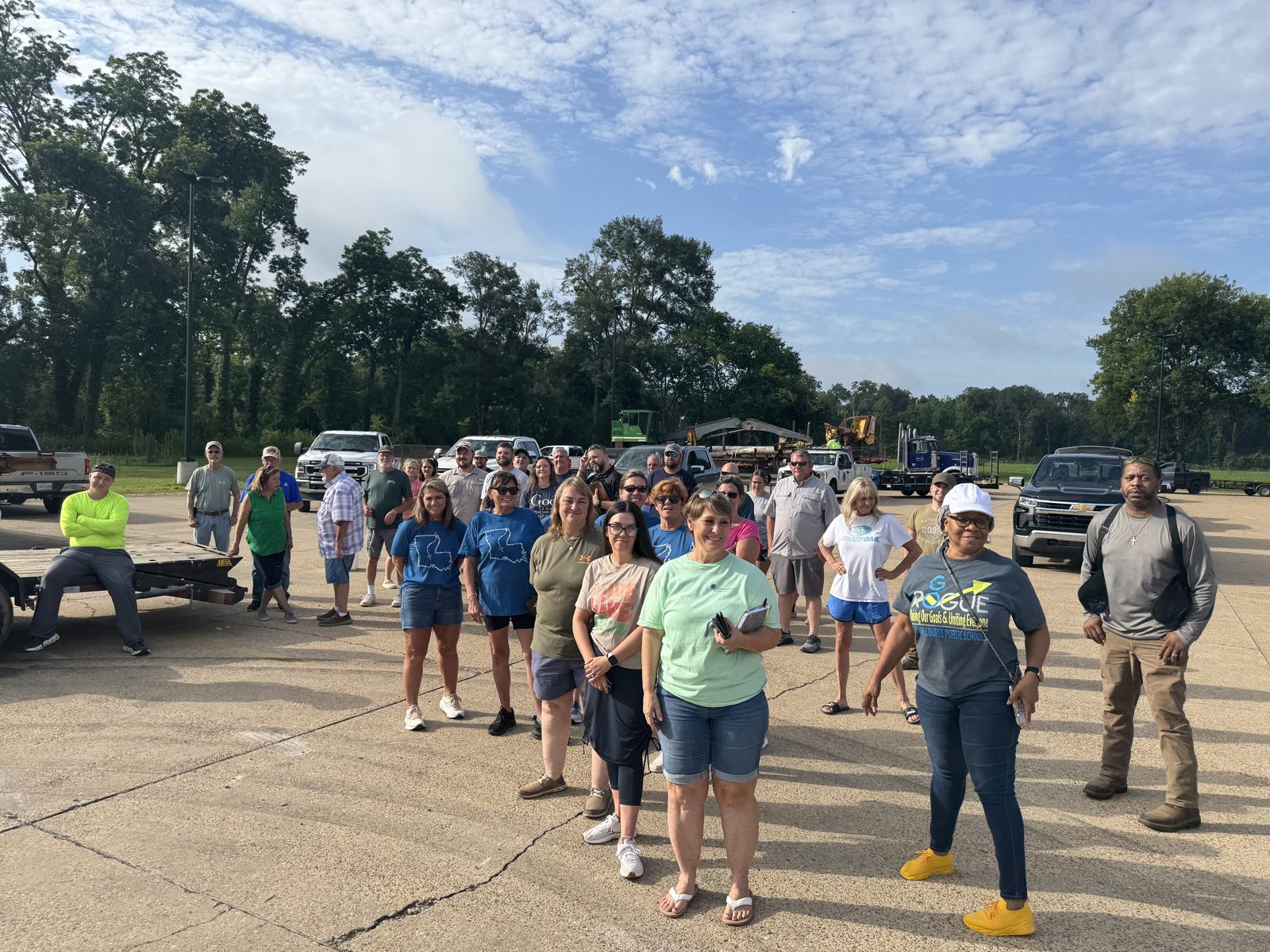
Central Louisiana Flood Response 2026: The Work Nobody Photographs
In June 2026, central Louisiana flooded slowly. There was no dramatic landfall, no single night of destruction — just sustained rain and rising backwater along the bayous of Avoyelles and St. Landry Parishes, until homes became islands residents could see but not reach. Many sheltered in place in upper floors. Roads went under. Cell service faded in the low-lying areas. The water crept south and east for days, receding around Big Cane while still rising along Bayou Rouge toward Port Barre and Pointe Coupee Parish.
A slow flood creates a particular kind of crisis: isolation. And for much of the response there was no federal Individual Assistance declaration, which meant programs like D-SNAP were not initially available. Voluntary organizations were not a supplement to the recovery — they were the recovery.
What the Response Looked Like
Coordinated through the Lifeline Alliance, with Fill the Needs founder Amy Sins leading on the ground in her home state, the operation delivered:
22 pallets of relief supplies — cleaning supplies, shop vacs, dehumidifiers, relief buckets, sprayers, bleach, mold remover, power tools, flashlights, coolers, water, bedding, and first aid — each pallet labeled for a specific destination before the truck ever left.
13 communities served across 3 parishes — Avoyelles, St. Landry, and Pointe Coupee — through distribution sites the residents already knew and trusted: Catholic, Baptist, Pentecostal, and non-denominational churches, volunteer fire departments in Bordelonville and Moreauville, and the Simmesport Police Department under Chief Damion Jacobs.
28+ combined hours of round-trip driving by partners — YaiPak's Sherry Nicholson sourced, sorted, and loaded every pallet, then drove roughly ten hours each way to deliver them to the drop point at Simmesport. Amy Sins drove four hours each way herself to be there when the truck arrived — because that is what showing up looks like.
15 dehumidifiers sourced through Hope Mill in the recovery phase — a favor returned, from an organization Beacon supported during Hurricane Helene. This network remembers who showed up.
31 rolls of carpet staged in a second phase for Simmesport-area recovery sites as families began rebuilding.
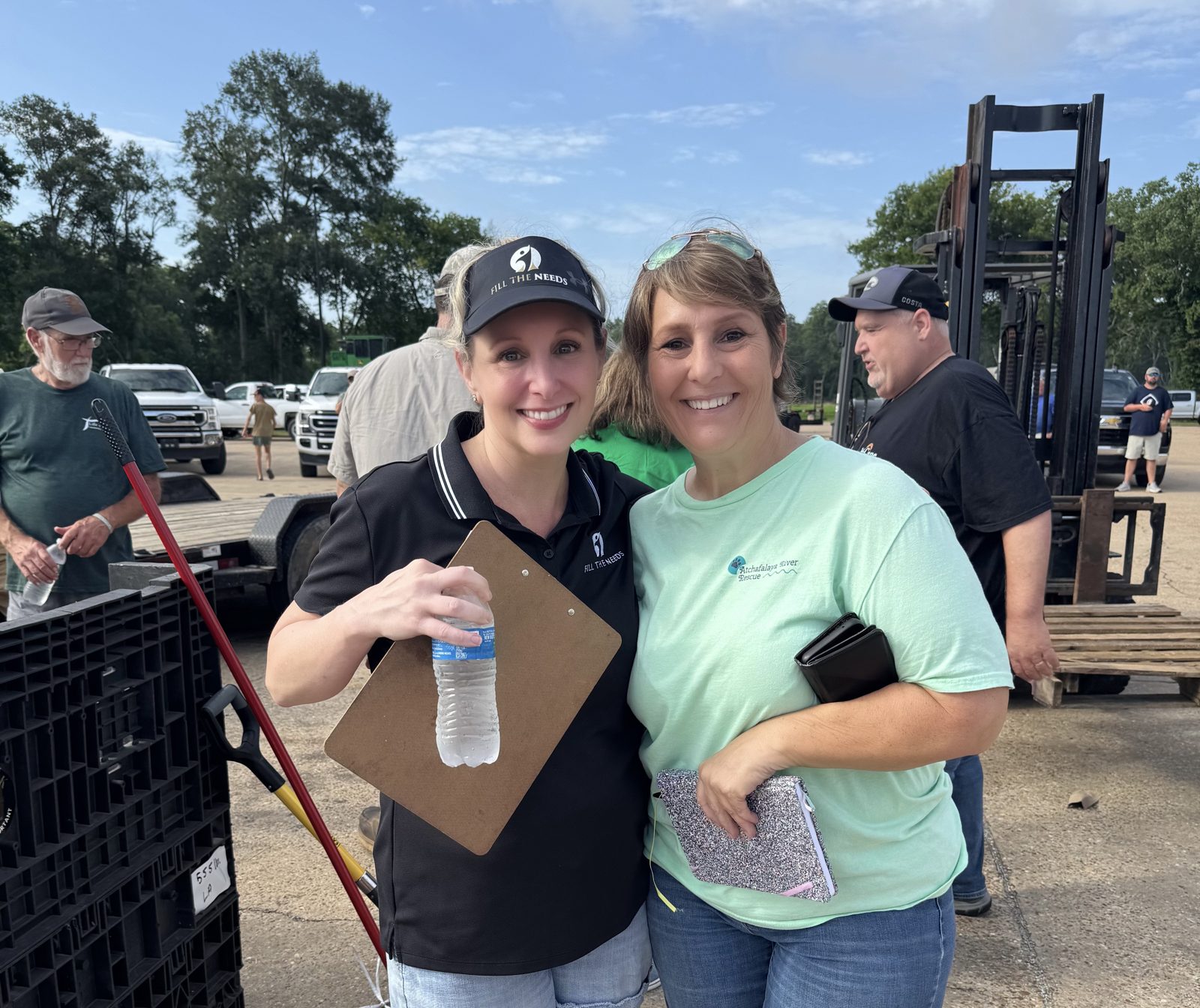
Fill the Needs on the ground in Simmesport, coordinating the distribution effort that served thirteen communities.
What Beacon Did — and Deliberately Didn't
Beacon Rescue never put a truck on the road in Louisiana. That was the point.
Louisiana is Amy Sins' home ground. Fill the Needs held the local relationships and trust that make a rural response work — and in disaster response, trust is the supply chain. Our role was that of a force multiplier, remote and behind the scenes: working the phones alongside Amy from the first Louisiana VOAD activation call on June 20, building the ground-contact index and capability gap tracker that kept information moving between partners, connecting supply sources to confirmed needs — including the YaiPak truckload and the dehumidifier sourcing — and supporting the logistics plan that put a labeled destination on every pallet before departure.
The organizing principle is one we believe in deeply: disaster response does not always need every organization on the ground. Sometimes the most useful thing a response organization can do is make sure the right people are connected at the right time — and then get out of the way so the ground lead can succeed.
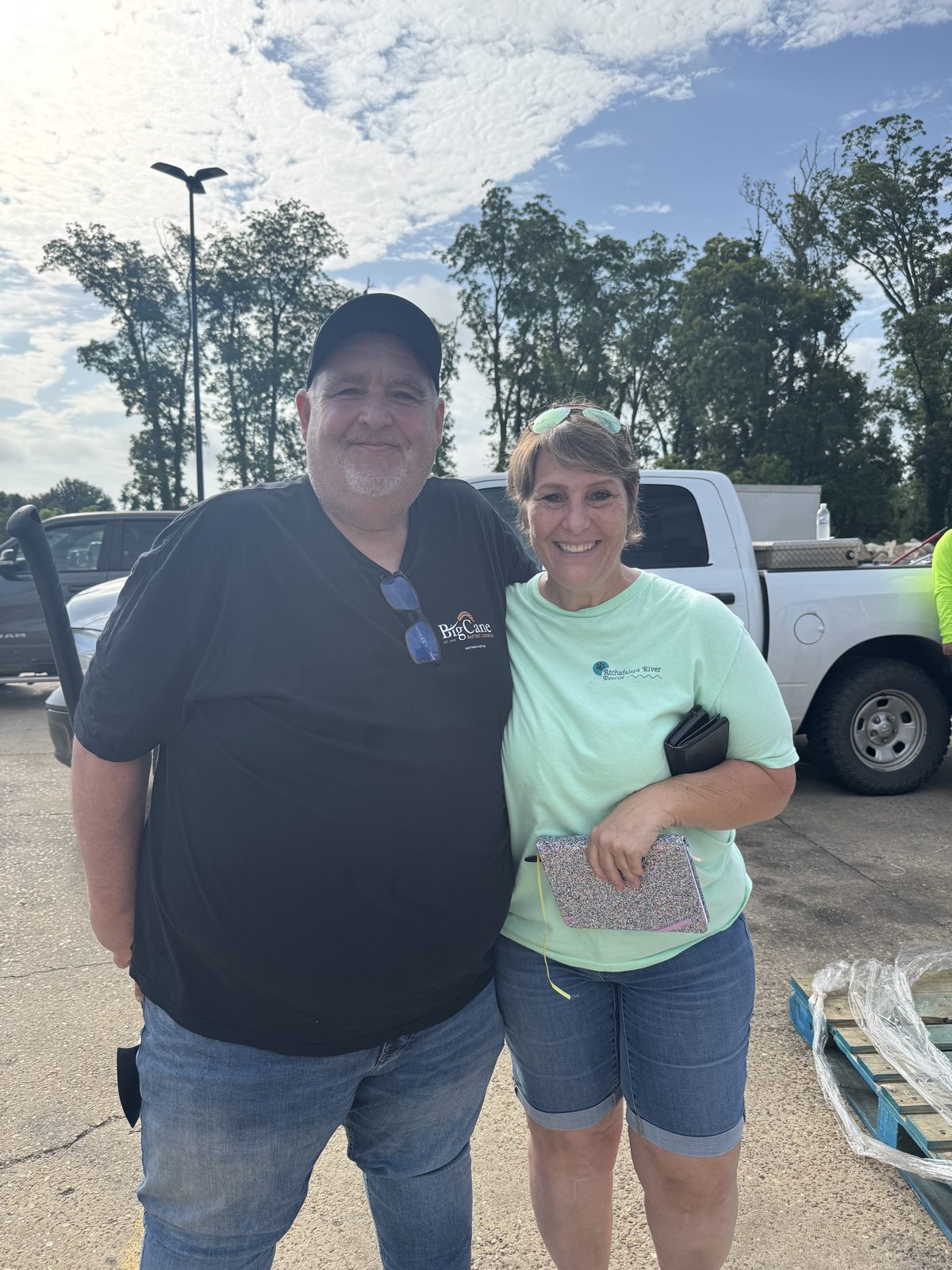
Aid moved through trusted local hands — churches, fire departments, and community partners who know their neighbors best.
Why This Model Matters
The images the public associates with disaster response are dramatic: boats, helicopters, swift water. That work matters, and we train for it. But most of what determines whether a rural community recovers is quieter — a coordination call at the right hour, a contact index that's actually current, a pallet labeled for a church the community already trusts. When federal assistance is delayed or unavailable, that quiet network is what stands between an isolated family and going without.
That's what the Lifeline Alliance is built for: not a brand stamped on a truck, but aid moving through people the community already knows. We are proud to have played a part in this response — and even prouder of the work nobody sees, and of the partners who did it.
Be Part of the Network
Operations like this one run on partners, volunteers, and donors who fund the unglamorous work — the fuel, the pallets, the equipment that never makes the highlight reel. If you'd like to support the next response, you can donate here or get in touch about partnering with us. We exist so nobody faces crisis alone.