
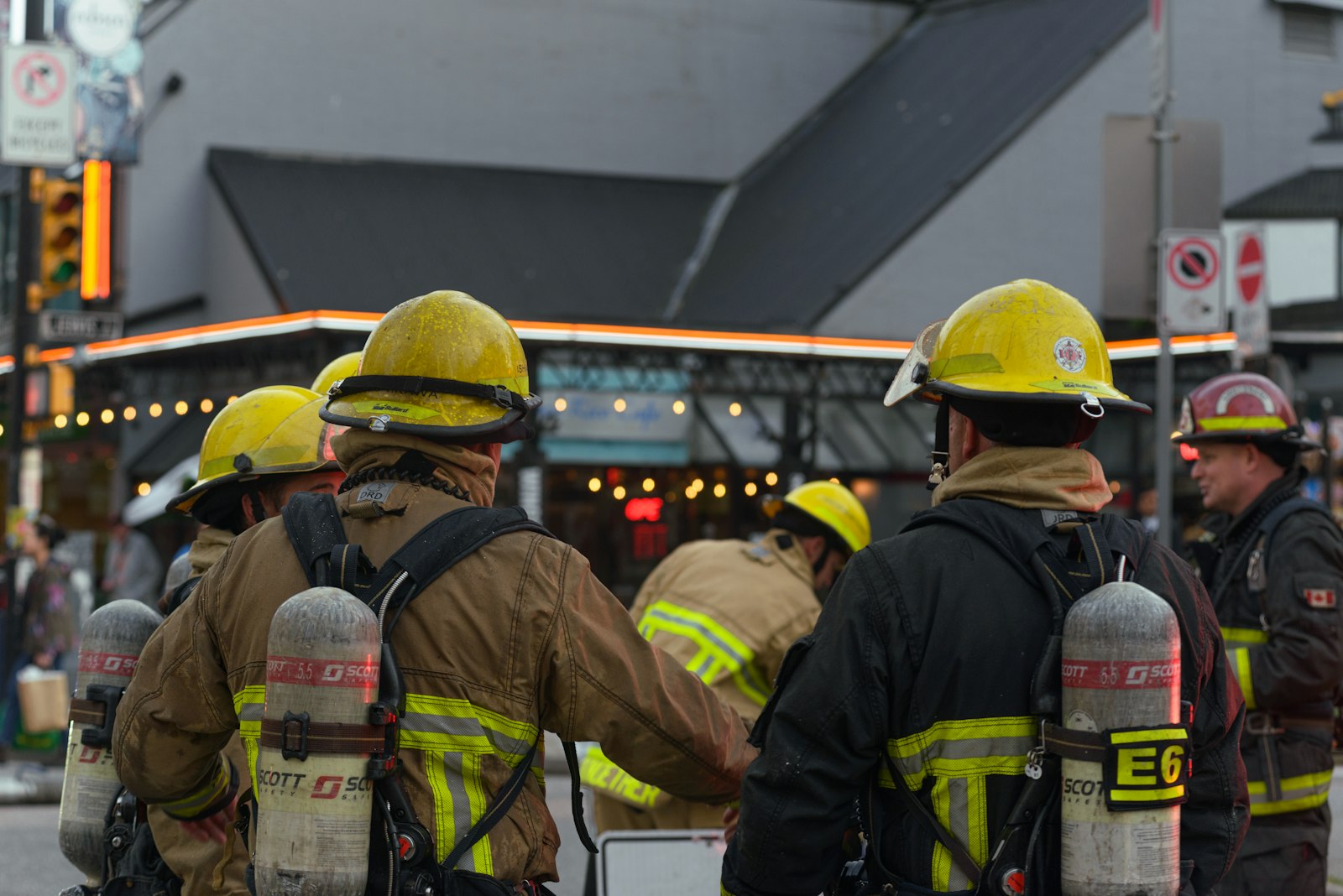
Why Nonprofit Coordination Matters in the FEMA Transition
American disaster response is in the middle of its biggest restructuring in a generation. FEMA's review council delivered its final report this spring, and the direction is unmistakable: disaster recovery is to become "locally executed, state or tribally managed, and federally supported." Responsibility — and much of the financial burden — is shifting away from Washington and back to states, counties, and the communities where disasters actually happen.
Whatever one thinks of the policy, the practical reality is the same: the gap between what communities need after a disaster and what the federal government will provide is widening. Someone has to stand in that gap. That's why nonprofit coordination isn't a nice-to-have right now — it's the difference between communities that recover and communities that don't.
What the Transition Actually Changes
The proposed reforms are concrete. Counties are being told to expect less federal on-the-ground presence in most disasters. Qualification thresholds for federal assistance would rise — one recommended change to the per-capita damage indicator alone would shift an estimated $1.5 billion in costs from the federal government onto states, counties, and survivors. FEMA's role in evacuation support, temporary sheltering, and long-term housing recovery would narrow, with states expected to carry more of each.
Many recommendations still require congressional approval, and the details will keep moving. But state and local emergency managers aren't waiting to find out — they're already planning for a world with higher thresholds, thinner federal support, and more responsibility landing on local shoulders.
Local Shoulders Weren't Built to Carry This Alone
Most counties don't have surge capacity. Small emergency management offices — sometimes one or two people — can't simultaneously run sheltering, damage assessment, volunteer management, and survivor services when a hurricane or flood overwhelms their jurisdiction. The federal system, whatever its flaws, provided mass and coordination. As that mass pulls back, the burden doesn't disappear. It lands locally.
This is exactly the space where disciplined nonprofits have always done their best work — and where uncoordinated goodwill does real damage. After every major disaster, well-meaning but unmanaged volunteers and donations create what emergency managers grimly call "the disaster after the disaster." The need isn't just more help. It's organized help that plugs into local command structures instead of working around them.
What Coordination Looks Like in Practice
Effective nonprofit response in this new era means showing up trained, credentialed, and interoperable: teams that understand incident command, communicate on the same protocols as local responders, take assignments from the jurisdiction rather than self-deploying, and stay accountable for what they deliver. It means relationships built before the storm — memorandums of understanding, joint exercises, shared training — so the first conversation with a county emergency manager doesn't happen in the parking lot of a shelter.
That's the model Beacon Rescue is built on. Our teams — led by special forces veterans, law enforcement, and emergency managers — deploy as force multipliers for local jurisdictions: search and rescue capability, coordination support, and trained personnel who fold into the local structure instead of adding to the chaos. We exist so nobody faces crisis alone — and in this transition, "nobody" increasingly means the local governments carrying loads they've never carried before.
Build the Bench Before the Storm
The FEMA transition will be debated for years. Communities don't have years — hurricane season doesn't check the congressional calendar. If you lead a jurisdiction, an agency, or an organization that will feel this shift, now is the time to build the partnerships you'll rely on later. Connect with Beacon Rescue to talk coordination, training, and readiness — and if you're a donor or volunteer, your support is what keeps trained teams ready to answer when a community calls.