
America Runs on Volunteer Fire and Rescue — and the Training Gap Is Growing
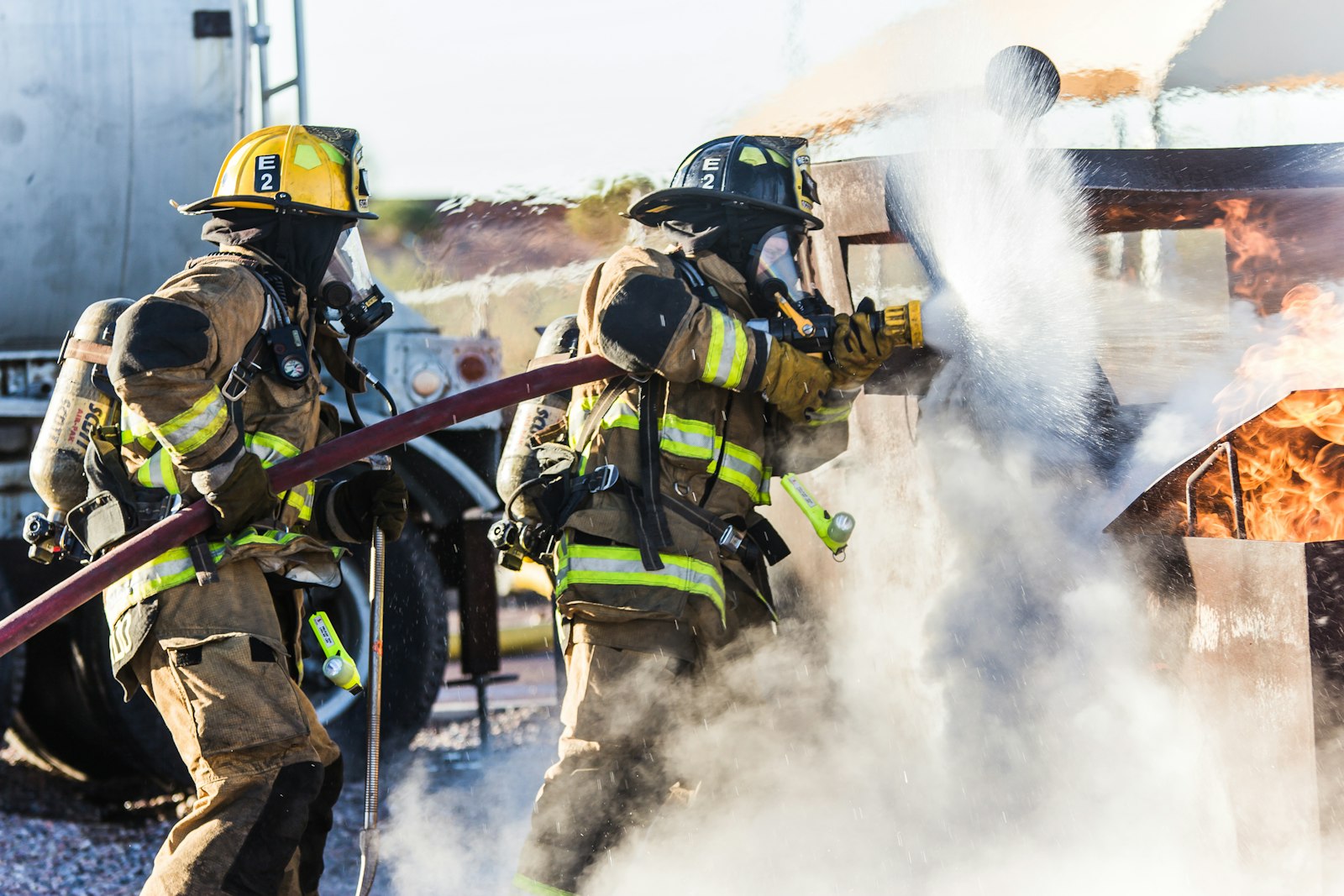
Here's a fact most Americans never think about: when you call 911 for a fire or rescue in most of this country, the people who answer are volunteers. Roughly 65% of America's firefighters are volunteers, and all-volunteer or mostly-volunteer departments make up about 82% of U.S. fire departments. Outside the big cities, volunteer fire and rescue isn't a supplement to the system. It is the system.
And that system is running on fumes.
Fewer Hands, More Calls
The numbers tell a hard story. Volunteer firefighter ranks have fallen roughly 25% since 1984 — recently hitting the lowest counts ever recorded — while the U.S. population grew 40% over the same period. Meanwhile, call volume has more than tripled in the last four decades, driven largely by the growth in emergency medical calls. Fewer people are carrying triple the load, and nearly half of current volunteers report they've considered leaving.
Money is the quieter half of the crisis. Volunteer departments fundraise for gear the way schools fundraise for field trips — pancake breakfasts paying for turnout gear, raffles funding radios. When budgets are that tight, training is often the first thing squeezed: sending a member to a distant academy means travel costs, lost work hours, and a truck that's harder to staff while they're gone.
The Training Gap Is the Dangerous Gap
Understaffed is survivable on a quiet week. Undertrained is dangerous on the worst day. Modern volunteer responders are expected to handle everything career departments face — structure fires, vehicle extrications, swiftwater incidents, medical emergencies, disaster deployments — with a fraction of the training budget and time. Rigorous training requirements are one of the very barriers driving volunteers away: people willing to serve can't always afford the time and travel that traditional certification paths demand.
The answer isn't lowering the bar. It's changing how people get over it.
How Beacon Rescue's Training Model Helps Close the Gap
Beacon Rescue's training program was designed for exactly this reality — and thanks to donor support, it's completely free to volunteer departments.
Our instructors — special forces veterans, law enforcement, and career first responders — deliver professional-grade instruction through a model built around volunteer schedules and volunteer budgets:
Online courses carry the knowledge-based portions of training, so members learn on their own schedule — after shifts, between calls, without travel costs or time away from family and work.
In-person training then concentrates on what genuinely requires hands-on reps: search and rescue technique, rescue operations in real environments, and the muscle memory that makes skills hold up under stress.
Because donors fund the program, departments pay nothing. A department's training dollars don't enter the equation — the only cost to volunteers is their time. Members advance without burning the goodwill of employers and families — the same goodwill that keeps them volunteering at all. Donors close the gap so that capability, not budget, determines how well-trained a volunteer force can be.
Back the People Who Show Up
Volunteer fire and rescue is one of the last great acts of neighbor-helping-neighbor in American life — and it's quietly buckling under load. If you serve with a volunteer department, explore Beacon Rescue's in-person and online courses and see whether our model fits your training plan. If you're a donor, sponsoring training is one of the most direct investments in community safety you can make: it turns willing hands into capable ones. We exist so nobody faces crisis alone — including the volunteers who answer when everyone else is calling for help.